What is fiberstone?
Fiberstone is a composite made mostly of crushed stone or stone powder, bound with resin and reinforced with fiberglass. Material ratios vary by manufacturer. The stone gives it a matte, natural-stone surface, often with a rough or etched texture, and makes it lighter than solid stone or concrete but heavier than fiberglass.
What is fiberglass?
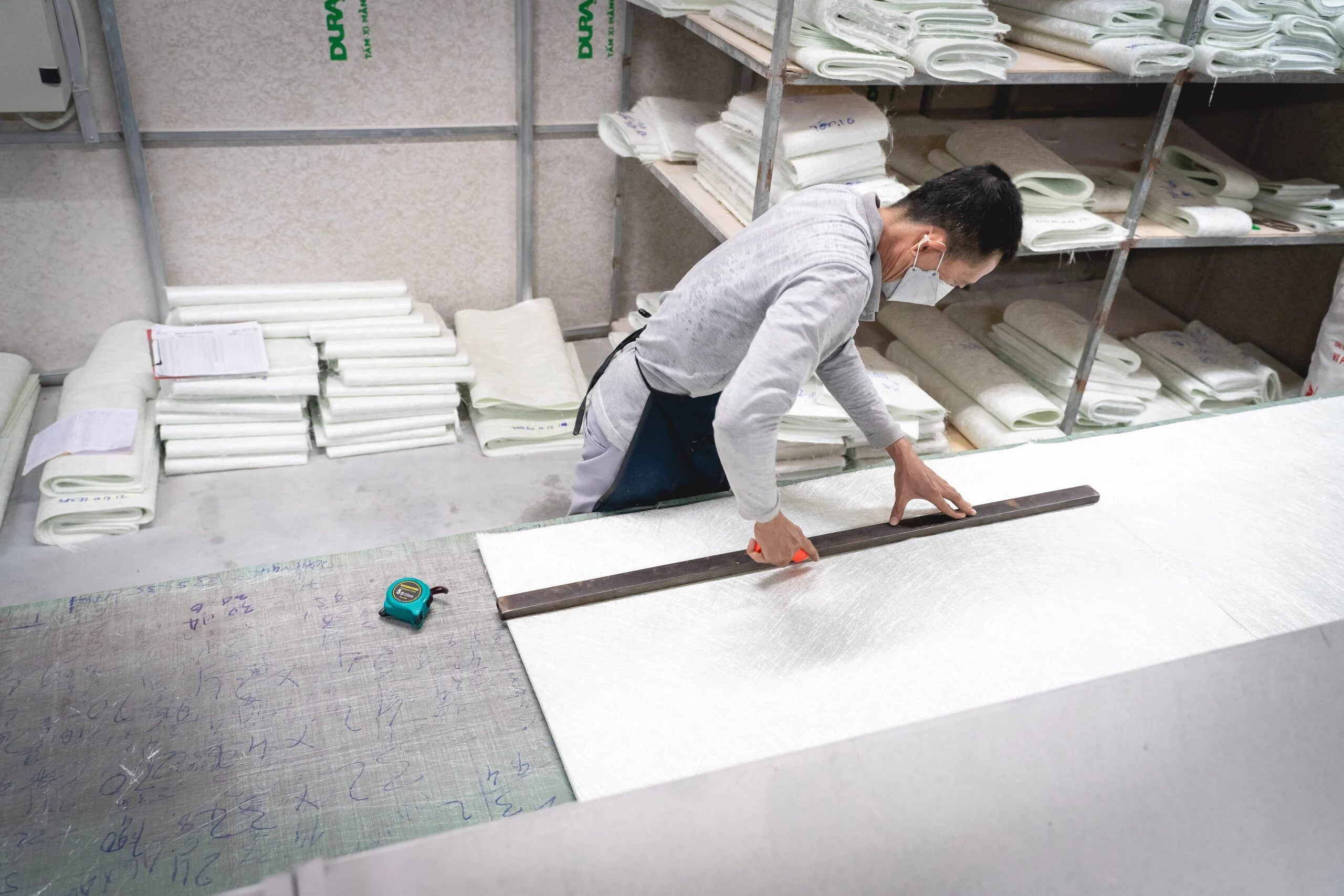
Fiberglass is a lightweight composite material composed of glass fibers embedded in a hardened resin matrix, then trimmed, sanded and finished. Because the body is mostly fiber and resin rather than stone, it is light for its size, and because it is molded, it can take almost any shape. At Flowerinta, each planter is made by hand in our own factory and painted to order with an automotive-grade, UV-tested finish applied in 4 layers.
Comparison table: Winter & Best for
Weight: why it matters on rooftops and decks
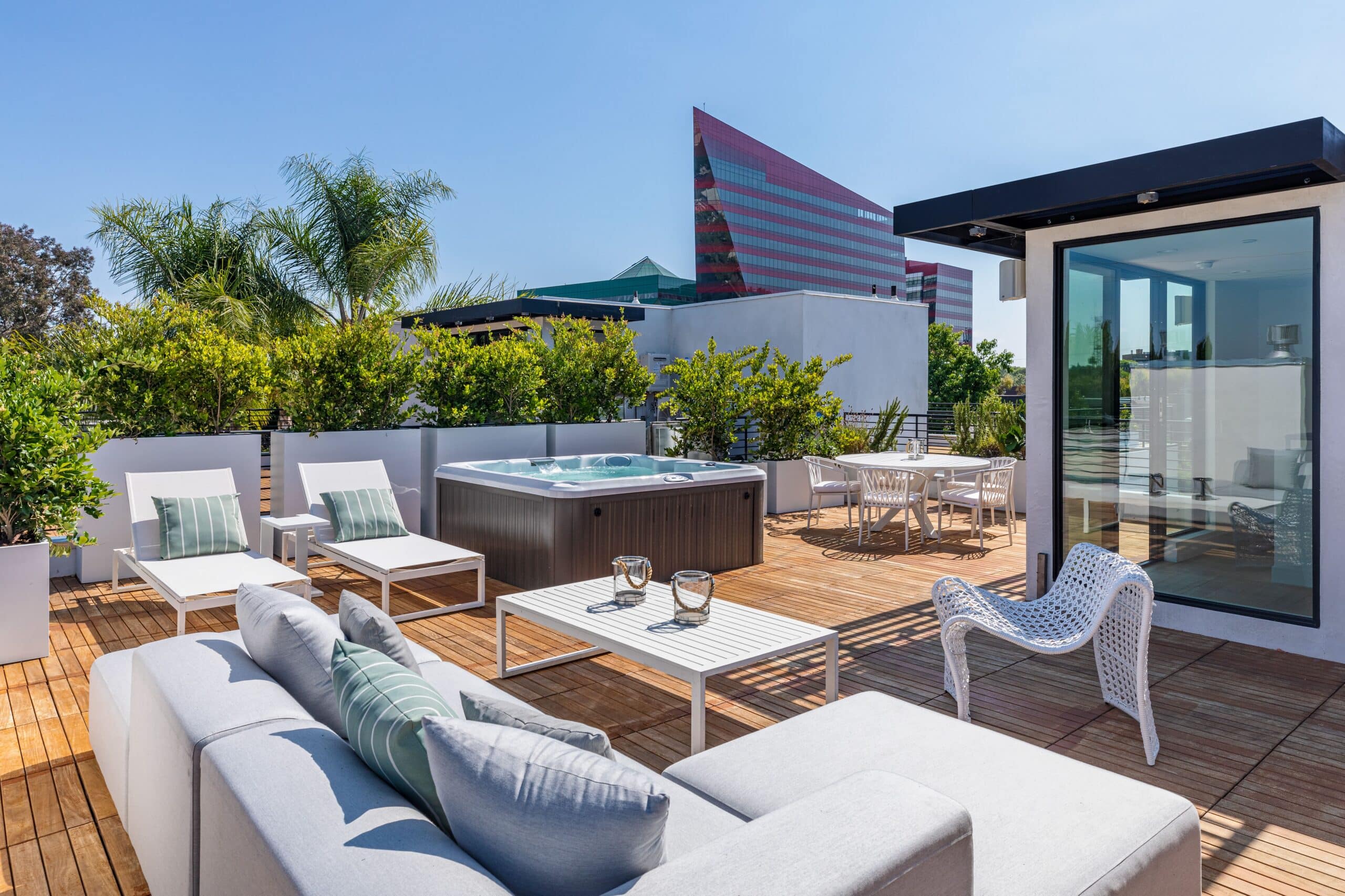
Weight is usually the deciding factor. A planted container gets much heavier once it is full of wet soil, so a lighter shell leaves more of a roof’s or deck’s load allowance for soil and plants. That’s why fiberglass is the usual choice for podium decks, amenity decks, and balconies, and for planters that move between seasons or events. See how property teams use our rooftop and amenity planters. Fiberstone’s extra weight can help at ground level, where a heavier planter is harder to knock over. On any roof, check the load limit with a structural engineer before you specify.
Weather, frost and UV
Both fiberstone and fiberglass planters are sold for outdoor use. How a planter performs outside depends on the product, its finish and your local climate, so check the specifications for the model you’re considering, or ask our team about frost and sun exposure for your location. Whatever the material, a planter that stays outdoors through winter should have a clear drainage path so water doesn’t collect in the base.
Our automotive-grade, UV-tested finish holds its color with routine cleaning. Our fiberglass planter maintenance guide covers the care routine. Fiberstone is also sold as frost-resistant, so check each maker’s warranty for freezing conditions. For Flowerinta coverage, see our planter warranty.
Look, finish and color
Fiberstone’s appeal is its stone texture: it reads as cast stone up close, which suits natural and traditional landscapes. Fiberglass is smooth and painted, so it can match an exact color. Flowerinta paints every planter to order in one of 20 standard finishes, 12 low gloss and 8 high gloss, and matches RAL and custom colors for brand palettes. If a project needs a corporate color, a gloss finish or one color across dozens of planters, fiberglass is the simpler specification.
Low gloss

Bright White
MBW

Cement Grey
MCG

Beige
SBE

Charcoal
MCH

Black
LGB

Dark Brown
MDB

Bronze
MBZ

Green
SGR

Sea Foam
SSG

Cobalt Blue
MCB

Terracotta
MTC
High gloss

Bright White
GBW

Eggplant
GEG

Red
GRD

Tangerine
GTG

Saffron
GSF

Metallic Silver
SLV

Metallic Gun Metal
MGM

Metallic Gold
GMG

Metallic Bronze
BRZ
Colors vary by screen and lighting; confirm with a swatch before ordering.
Shapes and sizes
Fiberstone is typically made in standard rounds, squares, and troughs, with fewer extra-large or custom forms. Fiberglass is laid over a mold, so it can be made in tall, narrow, long, or sculptural forms. Our range starts with 12 in. (30 cm) wall planters.
Our rectangular planters run to 72 in. (183 cm) long, and an extra-long model reaches 100 in. (254 cm). Round planters include tapered, fluted, bowl, and bullet forms up to 50 in. (127 cm) in diameter or 60 in. (152 cm) tall. Square planters include cubes up to 60 in. (152 cm).
That range lets you give each planter a specific job on a commercial project. Long, low rectangles with matching corner units divide outdoor dining areas and line rooftop edges. Tall rounds and tapered squares frame entries and lobby corridors at eye level. The largest sizes give trees and focal plantings the soil volume they need.
Wall and railing planters add green where floor space is tight, and compact cubes fit reception desks and bar tops. To compare every model and size side by side, request a printed catalog.
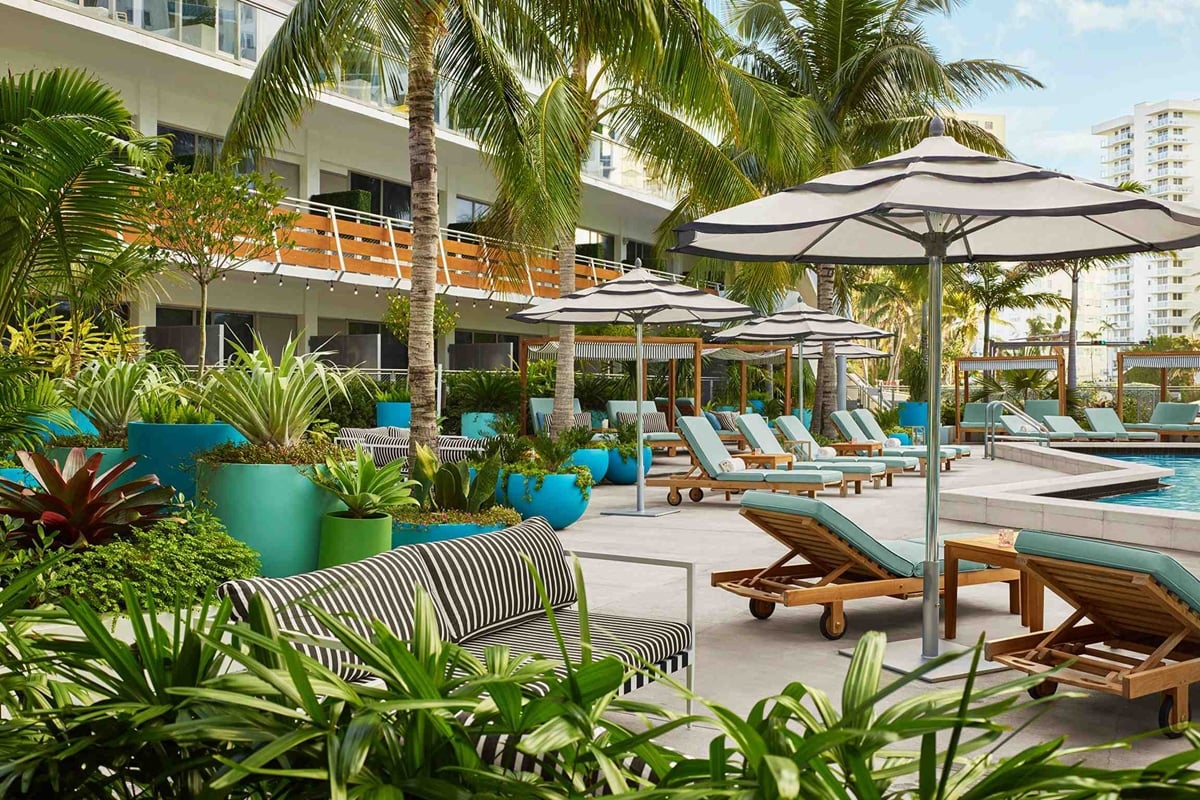
Cost
- Initial Unit Cost: Pricing for both fiberstone and fiberglass planters varies by size, quantity, design, and finish. Compare quotes based on your project’s specific requirements.
- Scale & Customization Value: For large commercial projects, Flowerinta fiberglass planters offer options for custom color matching and non-standard extended lengths of up to 100 inches.
- Total Installed Cost: Consider the full project cost, including product pricing, shipping, handling, installation, and any site-specific requirements.
Lifespan
Our fiberglass planters are made for year-round outdoor use and are backed by a 3-year warranty. Beyond that, how long a planter lasts depends on the installation, the climate and the care it is given, not on the material alone. The same planter in a sheltered lobby and on an exposed rooftop will not have the same service life, which is why we do not publish a figure in years for either material. The warranty is our commitment to you, not an estimate of how long a planter will last. For full details of what it covers, see our warranty terms.
Which should you choose?
Fiberglass, for weight.
Fiberglass, painted to order.
Fiberglass.
Fiberglass.
Fiberstone is a good fit.
Either material, with a clear drainage path.
FAQs
Fiberstone is a composite of crushed stone or stone powder bound with resin and reinforced with glass fiber. The stone gives it a matte, natural-stone texture and makes it heavier than fiberglass, though lighter than solid stone or concrete. Ratios vary by manufacturer, so weight and finish differ between brands.
Commercial fiberglass holds up well outdoors when it’s well made. The resin-bound body doesn’t absorb water like clay or concrete, and a quality paint system resists UV fading. Durability still depends on wall thickness, finish, drainage, and installation.
Both can hold large plants. Fiberglass suits large or tall planters on rooftops and upper floors, because a lighter shell leaves more of the load allowance for soil and the root ball. At ground level, fiberstone’s extra weight adds stability for tall trees in wind; a fiberglass planter can do the same with ballast or anchoring.
Pricing for both materials varies depending on size, design, quantity, and finish. For large projects requiring custom colors or non-standard dimensions, compare product quotes alongside shipping, handling, and installation expenses. The best option depends on the project’s specifications and total installed cost, rather than unit price alone.
Fiberglass is a good choice where weight, size range, and color matter: rooftops, lobbies, and commercial projects with a brand palette. It’s less suited where a natural stone texture is the priority, or where a planter must stay in place in wind without anchoring.