هذا المقال متاح حاليًا باللغة الإنجليزية.
Here are 12 of the best winter plants for pots. Some handle cold outdoor conditions, others are better kept indoors, and several bring flowers or berries to brighten the colder months. We’ve marked each one so you know where it belongs.
Table of Contents
1. Violas
خارجي
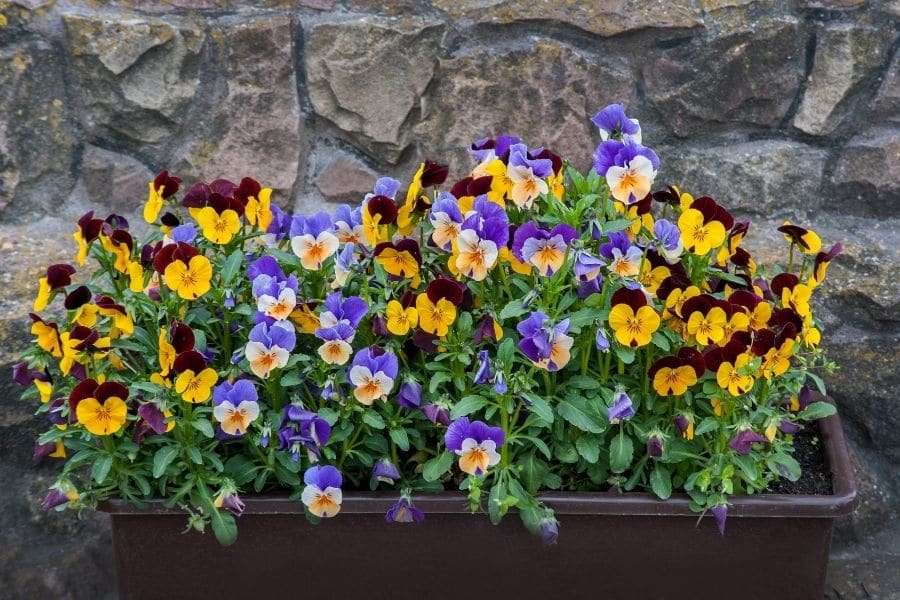
Violas are one of the most popular plants for winter containers. In mild climates they can flower through winter, pausing during hard freezes and picking up again as temperatures rise. The flowers come in white, pink, yellow, purple and more.
Violas need little care. Water when the top of the soil feels dry and place them in full sun to partial shade.
Top tip: Deadhead faded flowers to encourage more blooms.
2. Pansies
خارجي
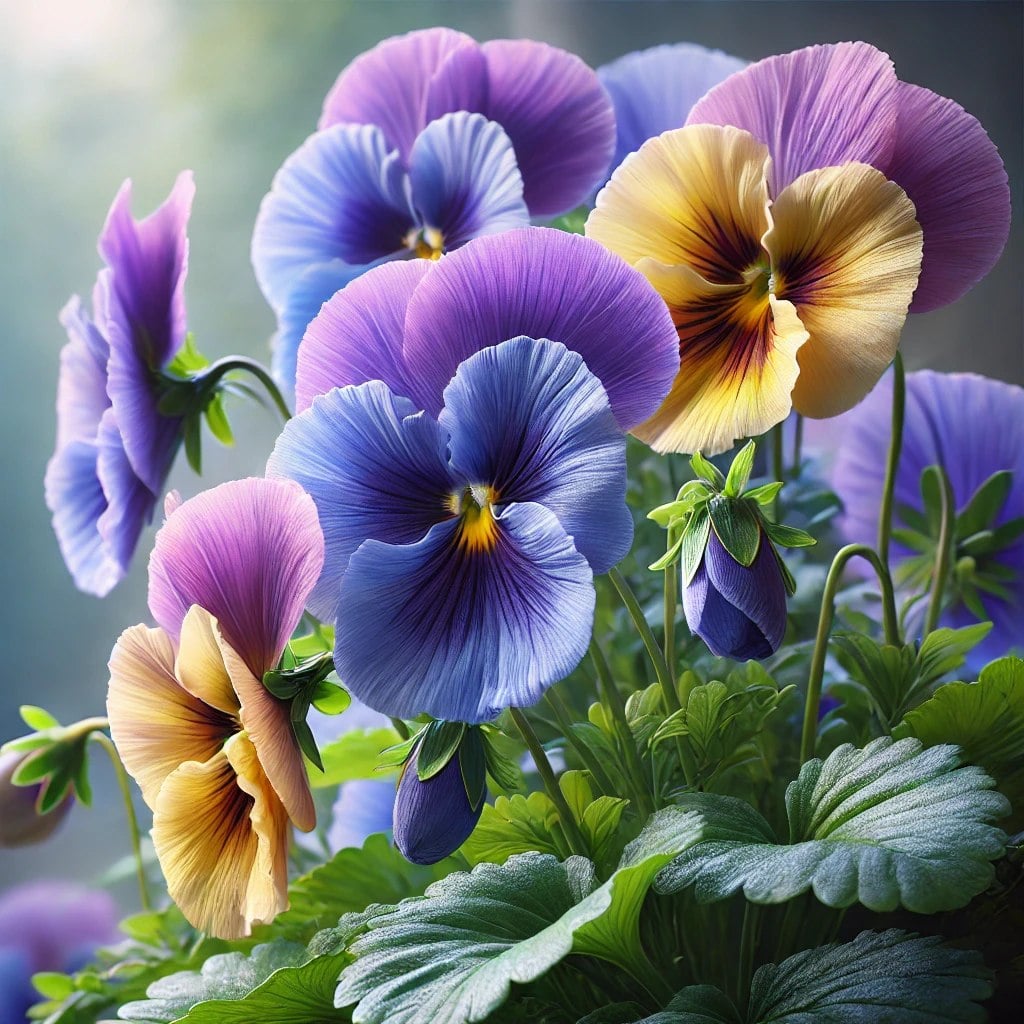
Pansies tolerate frost and light freezes, and their bold “faces” add color when little else is flowering. In very cold climates, protect them during hard freezes. They usually decline in summer heat, so treat them as a cool-season display.
Use a general potting mix with a balanced fertilizer, give them sun, and deadhead to keep flowers coming.
Top tip: Containers dry out faster than garden beds, so check moisture regularly, even in winter.
3. Winter heath (Erica carnea)
خارجي
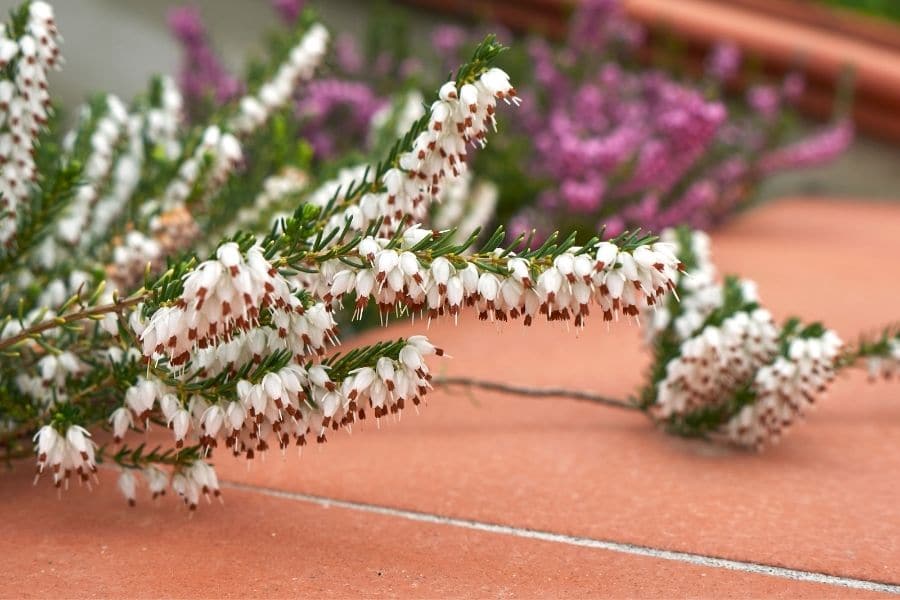
Erica carnea is a low-growing evergreen that flowers in pink, purple or white from late winter into spring. It’s generally low maintenance. Hardiness varies by cultivar, so check the label for your area.
Give it full sun for the best flowering, though it tolerates light shade.
Top tip: Use moist, well-drained soil and let the top dry slightly between waterings.
4. Wintergreen (Gaultheria procumbens)
خارجي
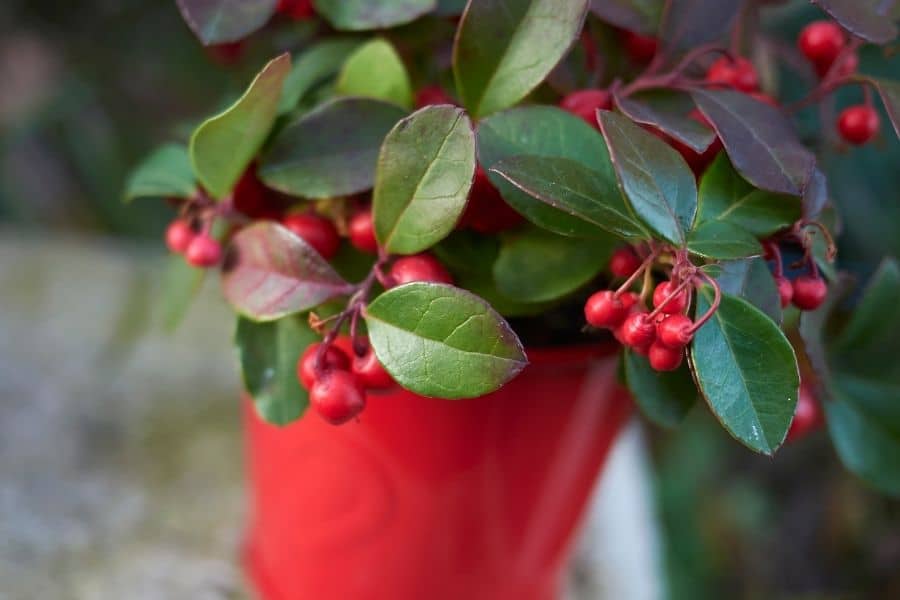
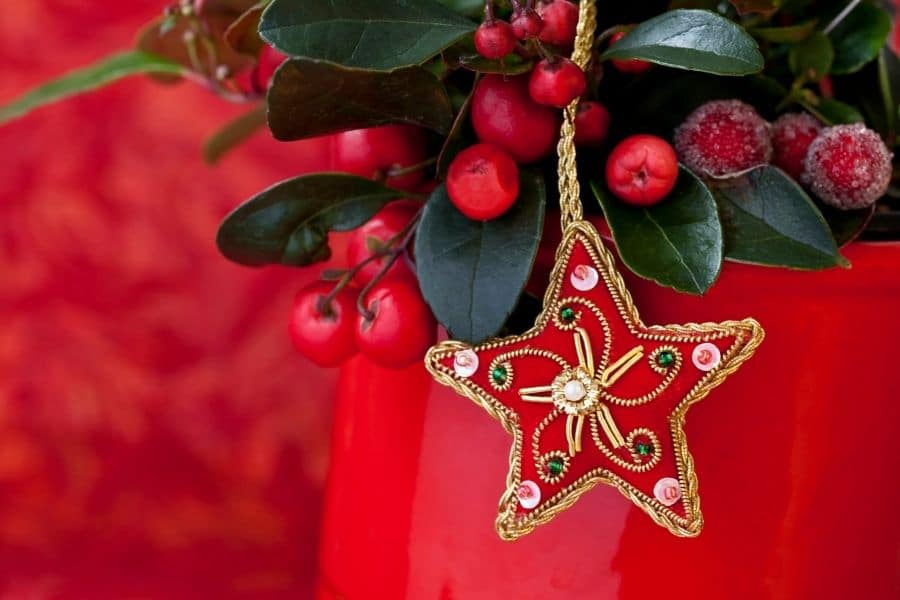
Wintergreen is a low evergreen shrub with glossy leaves that often turn red-tinted in cold weather, and bright red berries through winter. It makes a colorful seasonal display by an entrance.
It prefers partial to full shade and consistently moist soil. Don’t let it dry out completely.
Top tip: Use an acidic, well-drained potting mix, such as one made for azaleas.
5. Clivia
داخلي
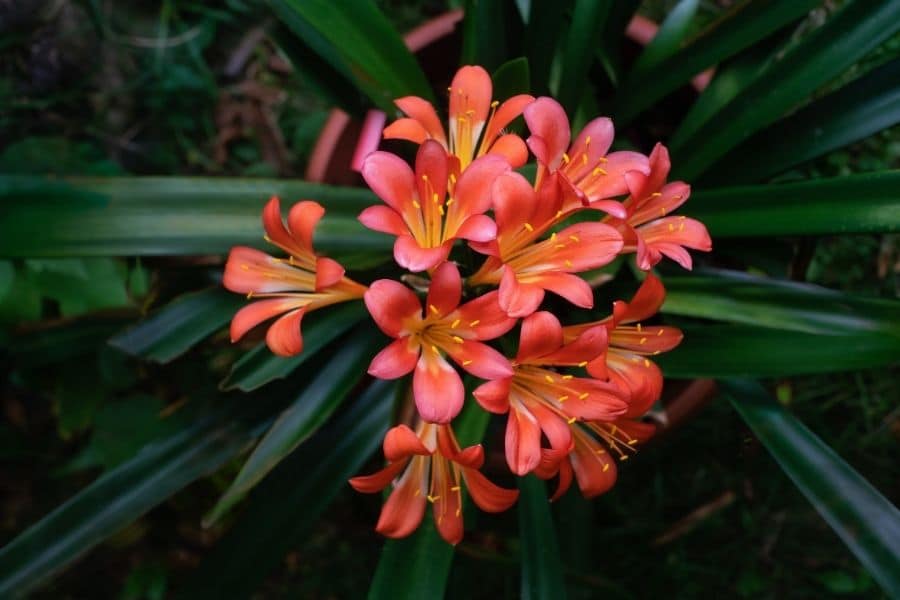
Clivia is a houseplant with long, dark-green leaves and clusters of orange flowers, usually in late winter or spring. It isn’t frost tolerant, so keep it indoors in cold climates.
Place it in bright, indirect light. A cool, drier rest period in late fall and early winter helps it flower.
Top tip: Water sparingly during its winter rest, then increase watering once flower stalks appear.
6. Hellebores
خارجي
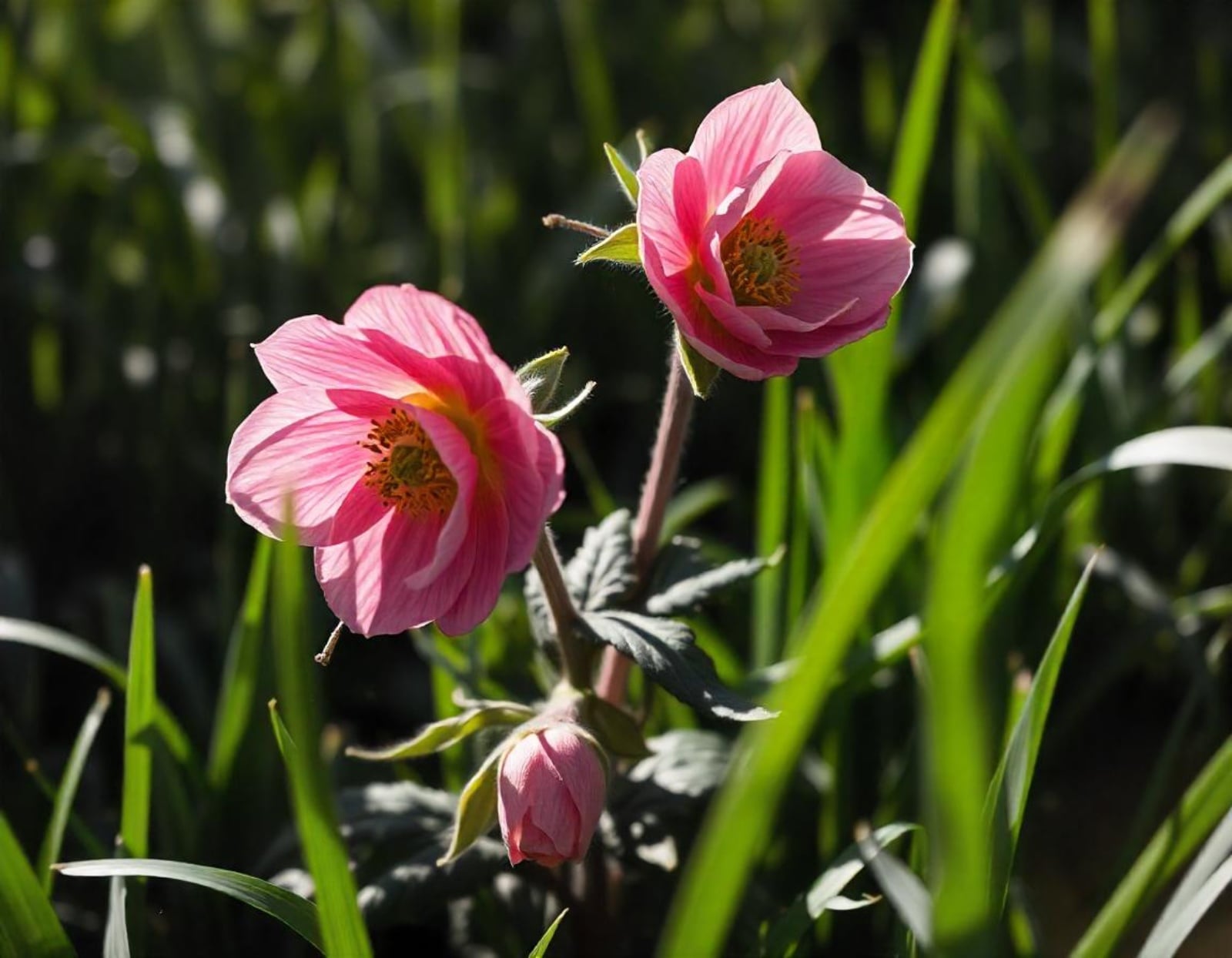
Hellebores flower in late winter and early spring, with nodding blooms, often while frost is still around. Their leathery, serrated leaves add interest all year.
Plant in well-drained soil with organic matter, in partial shade or dappled light, and water when the top inch of soil feels dry.
Top tip: Remove old or damaged leaves as new flowers appear to help reduce leaf spot.
7. Sedum
Outdoor · Hardy types
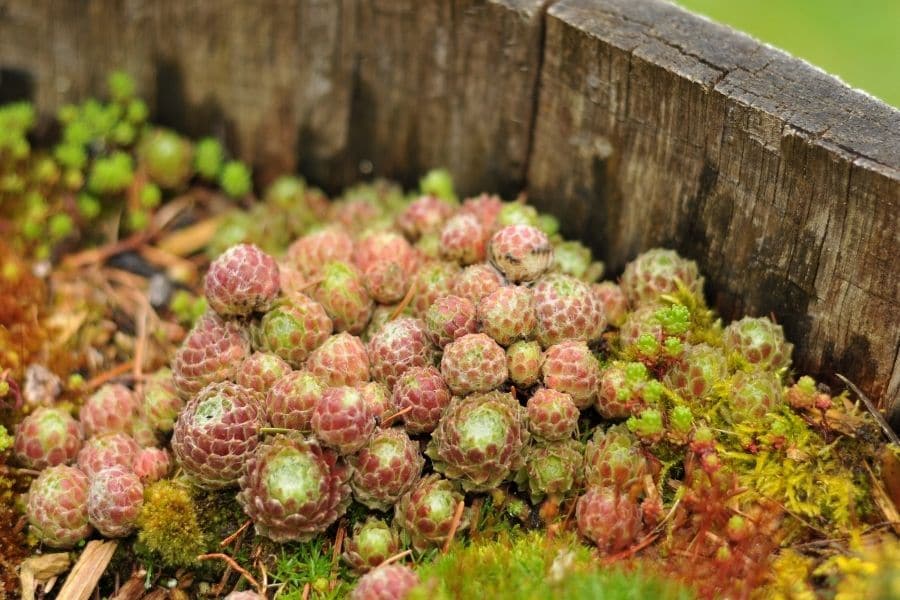
Low-growing and creeping sedums suit containers well. Hardiness varies widely by variety, so check the label against your area. They’re mainly grown for their foliage and flower from summer into fall.
Use a succulent or gritty, well-drained mix in a planter with drainage holes, and give them full to partial sun.
Top tip: In winter, water sparingly. Wet soil in cold weather can cause rot.
8. Boxwood
خارجي
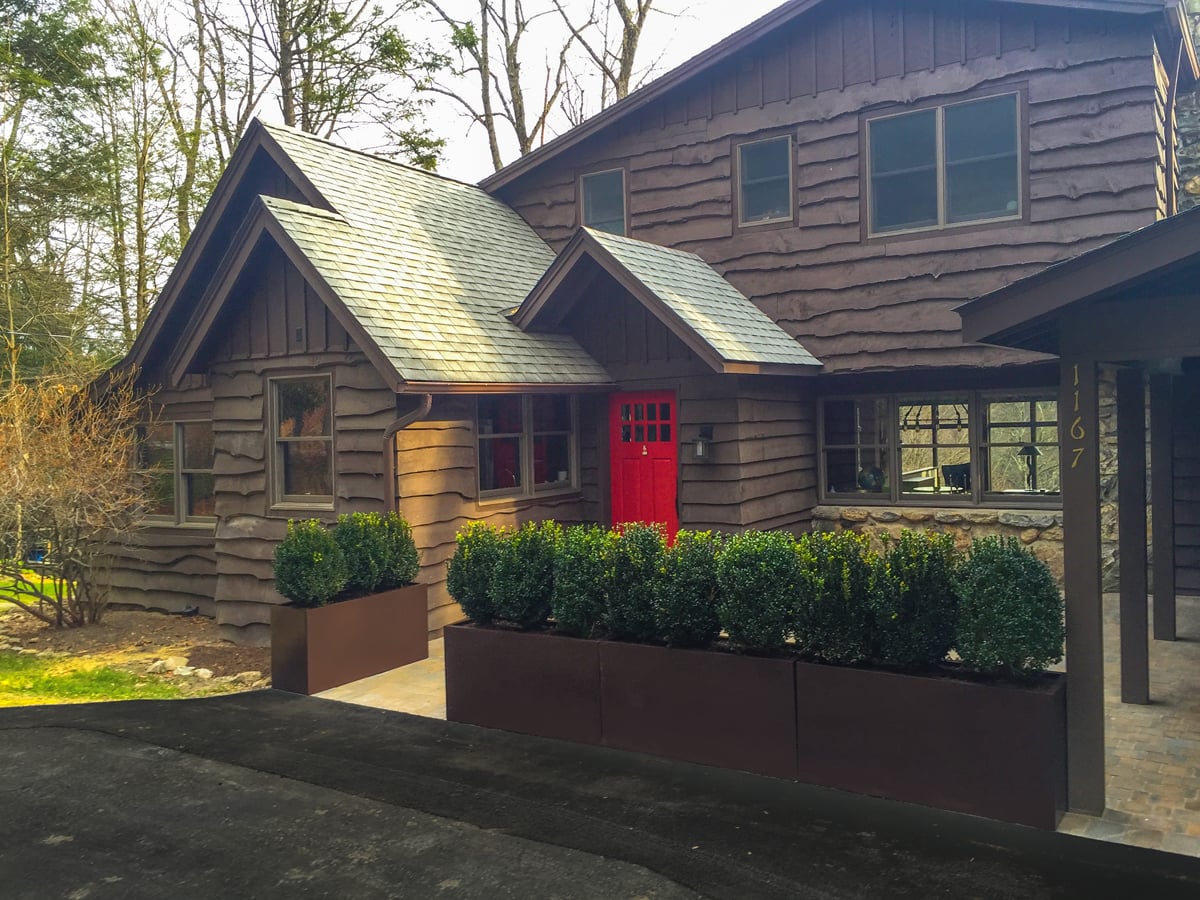
A neatly pruned boxwood brings year-round green structure to a container. Roots in pots are more exposed to cold than roots in the ground, so in colder climates choose a cold-hardy variety and a generously sized planter.
Use a planter with good drainage, as boxwood doesn’t like wet roots. Water when the top inch of soil feels dry. In winter, growth slows and pots usually need less.
Top tip: Water before the soil freezes, and add a layer of mulch to help insulate the roots.
9. ZZ plant
Indoor only
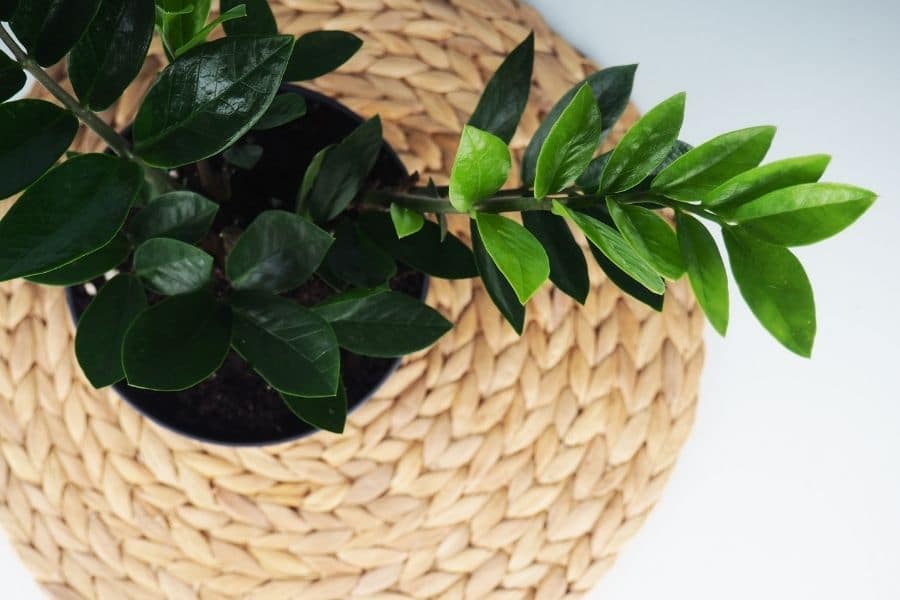
The ZZ plant is easy to care for, with glossy, deep-green leaves that suit almost any room. It’s a tropical plant and isn’t suitable for freezing outdoor temperatures, so keep it indoors in winter.
It tolerates low light but grows best in bright, indirect light. In winter, water only when the soil has dried out completely. How often depends on light, warmth and pot size.
Top tip: Overwatering is the most common problem. When in doubt, wait.
10. Jade plant
داخلي
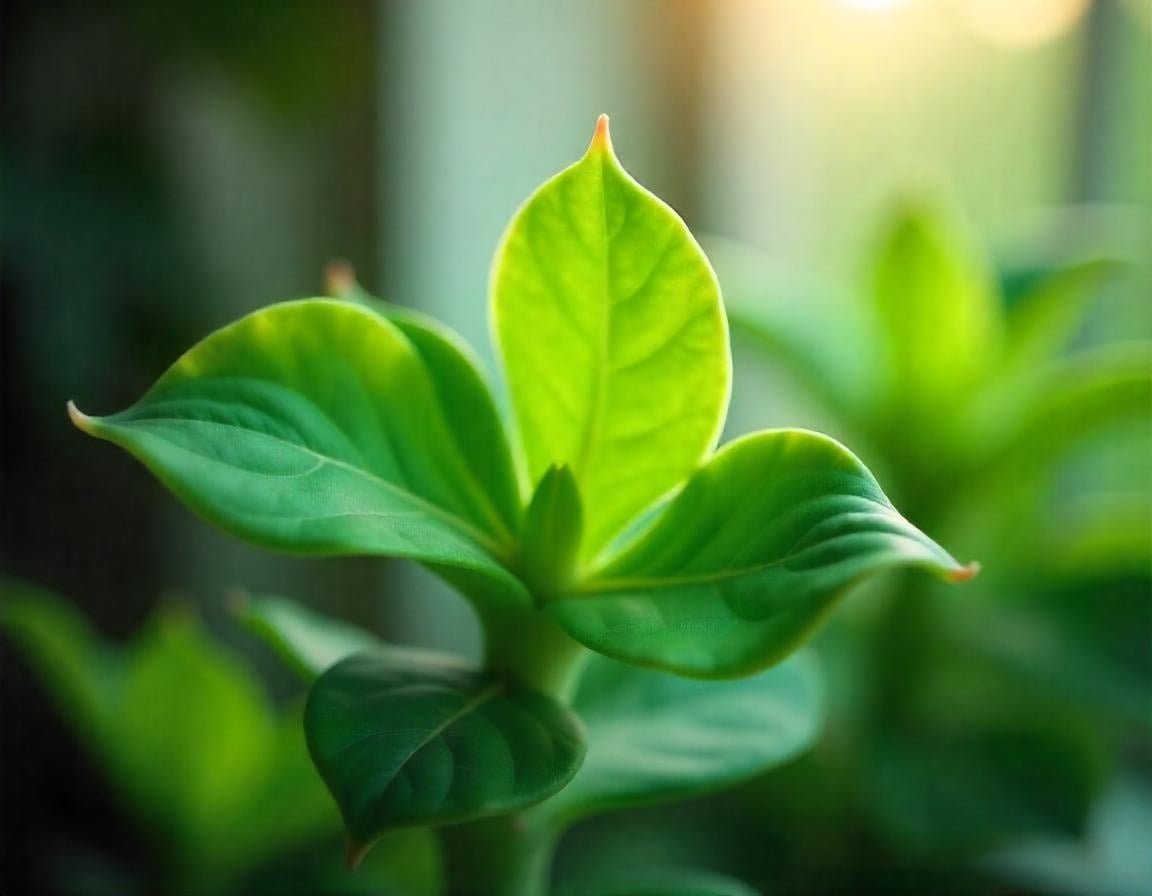
The jade plant is a succulent with thick stems and oval leaves. It grows slowly and can reach 0.9 م or more indoors over time. Mature plants may produce small white or pink star-shaped flowers in late fall or winter, encouraged by cool nights and shorter days. It isn’t frost tolerant.
Jade needs bright light, including some direct sun each day; too little light makes it leggy. Use a well-drained succulent mix and let the soil dry out between waterings.
Top tip: Overwatering can cause root rot, so water less in winter.
11. Cyclamen
Indoor or outdoor, by type
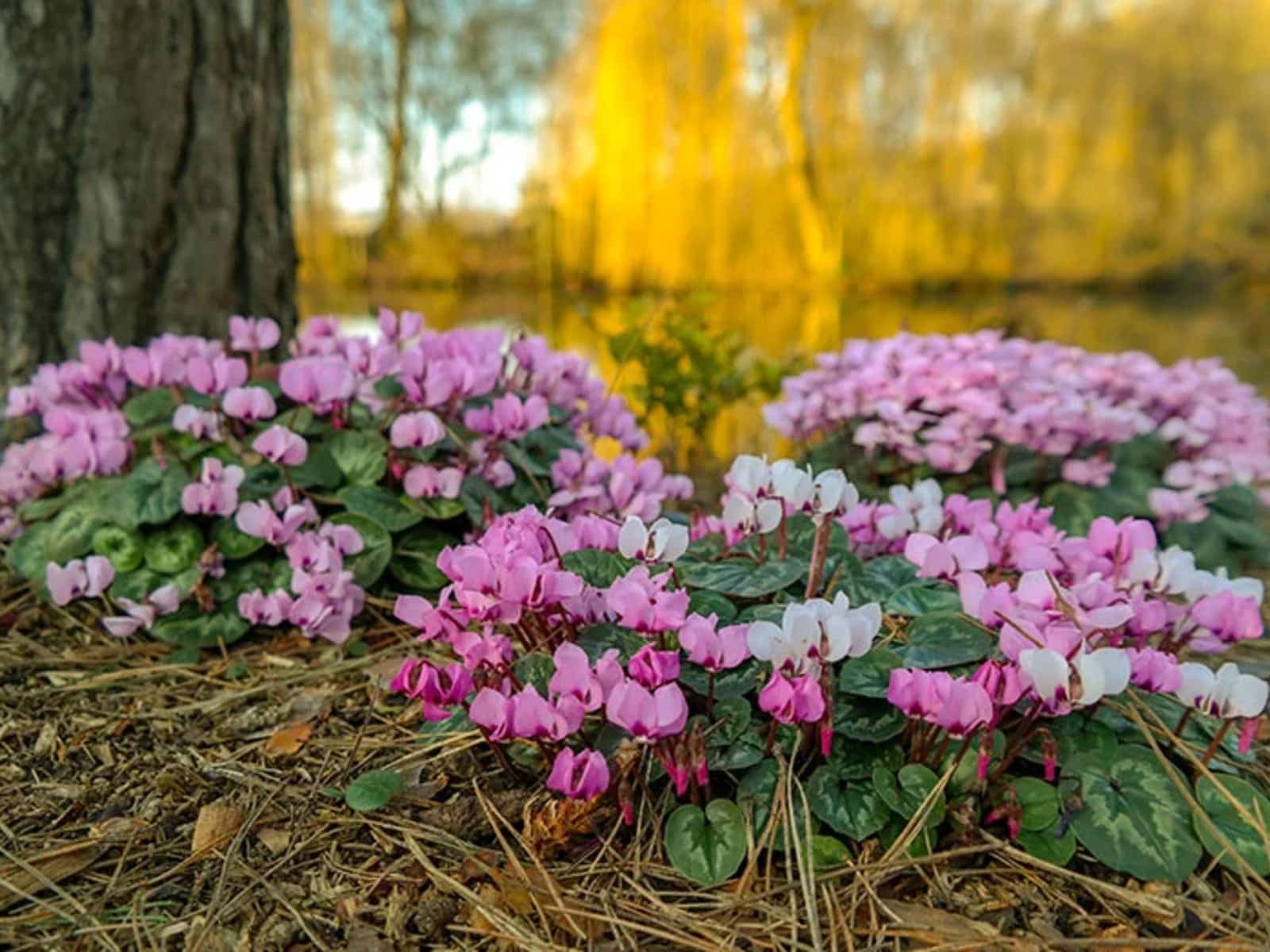
Cyclamen flowers through the winter in shades of pink, red, purple and white, above heart-shaped, often patterned leaves. Florist’s cyclamen (Cyclamen persicum) is grown indoors in a cool, bright spot. Hardy cyclamen, such as Cyclamen coum, can be grown outdoors and flowers in late winter.
Water from the base or around the edge of the pot, avoiding the center of the plant, and let the top of the soil dry slightly between waterings.
Top tip: Keep indoor cyclamen away from heaters. It prefers cool rooms.
12. Japanese skimmia
خارجي
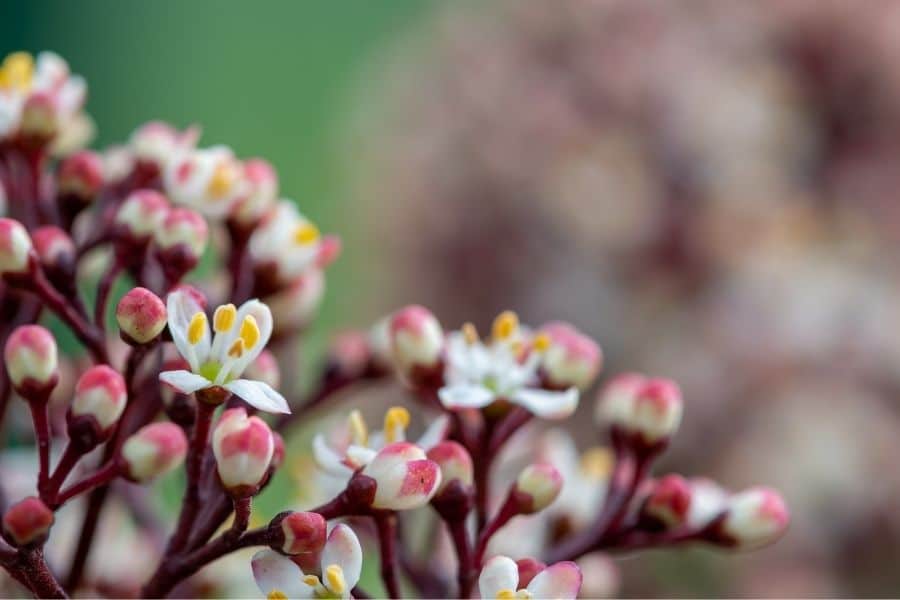
Japanese skimmia is an evergreen shrub with glossy leaves. Its flower buds form in fall and stay on the plant through winter, often red or pink, before opening into fragrant white flowers in spring. Female plants produce red berries in fall and winter when a male plant is nearby.
It prefers partial to full shade, with morning sun or dappled light, and well-drained, slightly acidic soil.
Top tip: Keep the soil evenly moist but not waterlogged.
مرجع سريع
Winter plants at a glance
| Plant | Winter location | Species / cultivar | Hardiness* | Light | Winter interest |
|---|---|---|---|---|---|
| Violas | خارجي | Viola cornuta | Z6–9; often grown as an annual | Sun to partial shade | Flowers in mild spells |
| Pansies | خارجي | Viola × wittrockiana | Cool-season annual | Full sun | Flowers in mild spells |
| Winter heath | خارجي | Erica carnea | Z5–7 | Full sun | Late-winter flowers |
| Wintergreen | خارجي | Gaultheria procumbens | Z3–8 | Partial to full shade | Red berries, red-tinted leaves |
| Clivia | داخلي | Clivia miniata | Not frost tolerant | Bright, indirect | Late-winter flowers |
| Hellebores | خارجي | Helleborus × hybridus | Z4–9 | Partial shade | Late-winter flowers |
| Sedum | خارجي | e.g. Sedum spurium ‘Fuldaglut’ | Z4–9; varies by variety | Full to partial sun | Red-bronze winter foliage |
| Boxwood | خارجي | e.g. Buxus ‘Green Velvet’ | Z5–8; varies by cultivar | Sun to partial shade | Evergreen structure |
| ZZ plant | Indoor only | Zamioculcas zamiifolia | Not frost tolerant | Low to bright, indirect | Glossy foliage |
| Jade plant | داخلي | Crassula ovata | Not frost tolerant | Bright, some direct sun | Flowers on mature plants |
| Florist’s cyclamen | داخلي | Cyclamen persicum | Not frost tolerant | Bright, cool | Winter flowers |
| Hardy cyclamen | خارجي | Cyclamen coum | Z5–9 | Partial shade | Late-winter flowers |
| Japanese skimmia | خارجي | Skimmia japonica | Z6–8 | Partial to full shade | Red buds; berries on female plants |
*USDA hardiness zones for plants grown in the ground. Check ranges against your nursery’s label.
Why containers need extra cold tolerance
Hardiness ratings describe plants grown in the ground. In a container, roots sit above ground in a small volume of soil, so they get much colder, and repeated freezing and thawing adds stress. For outdoor containers, a common rule is to choose plants rated at least two zones colder than your area: in Zone 7, look for plants hardy to Zone 5. Larger planters hold more soil and protect roots better.
Source: Penn State Extension, Overwintering Plants in Containers
Planter checklist
Choosing Planters for Winter Displays
Use this checklist when you plan a winter display in our fiberglass planters, at home or at a hotel entrance, restaurant terrace, building lobby or interiorscape.
Ask for drainage holes
Our planters ship without holes. For outdoor use where it freezes, request drainage holes when you order so water can’t collect inside the planter.
Give roots room
Roots in containers are exposed to cold on all sides. A larger planter holds more soil, which protects roots better and dries out more slowly. Choose a size that fits the root ball with room to spare, and enough plants to fill it from day one.
Match shape to planting
Wide, low planters suit spreading plants like pansies, winter heath and wintergreen. Tall planters suit upright shrubs like boxwood and skimmia. Long rectangular planters line entrances and terraces.
Plan for exposure
Hotel entrances, terraces and rooftops can be windy and exposed. Group planters near walls or in sheltered spots where you can. Indoors, keep tropical plants like clivia, ZZ and jade away from cold drafts at entrances.
Keep the weight down
Use lightweight potting mix, not topsoil, sand or rocks, which add weight. On rooftops and raised decks, confirm the total weight of planter, soil, plants and water with your project team.
Place for light, check water
Put planters where they get the most winter light. Check the soil regularly, as containers can dry out in mild spells, and hold off feeding until spring.
Planting tips based on the RHS guide to winter containers and Penn State Extension guidance on overwintering container plants.
Planning a winter display for a commercial space? Our team will help you choose sizes and finishes.
We hope this list helps you plan your winter containers. If you’d like to see our planters in a real setting, take a look at this project:
Not sure which planters suit your plants? Browse our landscaping planters for indoor and outdoor spaces.