
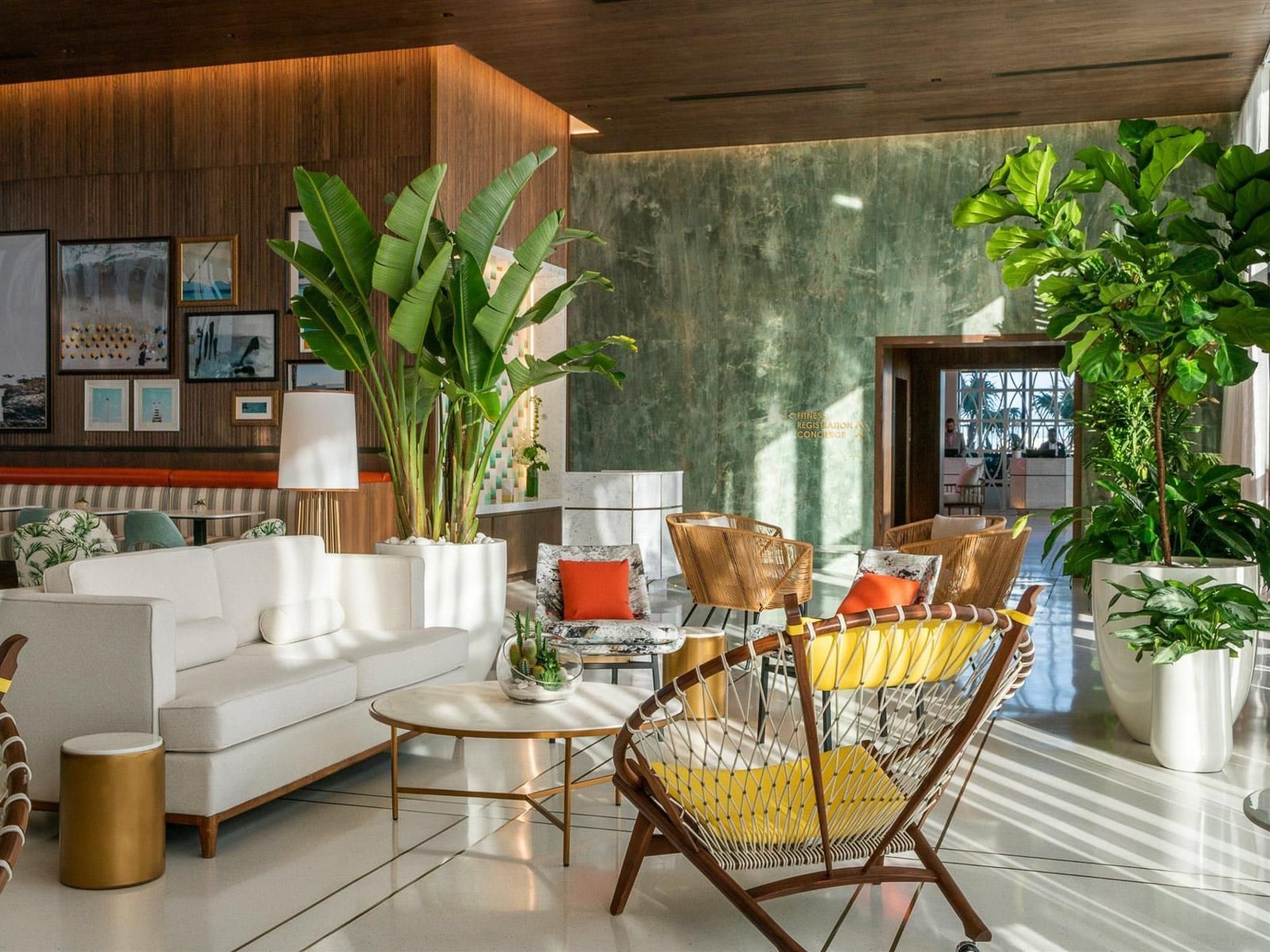
Choosing planters for a commercial project involves more than appearance. Landscape architects, interior designers and property managers also consider product weight, available sizes, finishes, maintenance and project costs.
Fiberglass planters are a common choice for commercial spaces because they come in a wide range of shapes, sizes, and finishes and weigh less than concrete planters of the same size. This guide covers their benefits, how they compare with other materials, what drives their cost and lifespan, and what to check before you specify them.
Benefits of Commercial Fiberglass Planters
Light enough for rooftops, terraces and freight
Weight is an important consideration when selecting planters for commercial environments, particularly in projects involving rooftops, balconies, terraces and elevated spaces.
Fiberglass offers a lighter alternative to traditional concrete planters, making transportation, handling and installation easier. Lighter units also cost less to ship per unit and are easier to set, level and move when a layout changes. See our planters for multifamily rooftops and amenity decks.
Built for weather, UV and salt air
Fiberglass doesn’t rot like wood or rust like steel, so the same planter can stand in a lobby or on a pool deck. Flowerinta fiberglass planters are designed for indoor and outdoor use and finished with automotive-grade polyurethane paint containing UV inhibitors. For outdoor planters, plan drainage from the start. Standing water can damage any planter, especially in freezing conditions. When you specify for a particular climate, check the site conditions, drainage needs, and product specifications.

Why fiberglass costs more upfront, and less over time
Fiberglass planter pricing depends on the model, size, finish, and order volume, with trade pricing for qualified businesses. A hand-made, painted-to-order planter usually costs more upfront than a mass-molded one. Over the life of a project, total cost often tells a different story. Lower weight reduces freight, handling, and installation labor, and routine care is an occasional wash. Compare product, freight, installation, and upkeep together, not unit price alone. To compare models, sizes, and finishes, download the 2026 catalog.
Custom shapes, sizes and finishes
Commercial projects often require planters that align with specific dimensions, layouts and design requirements. Flowerinta offers a range of planter shapes, sizes and finishes, along with options for custom sizes and colors.
Custom Sizes
Custom-size planters can be ordered from our factory. These orders have an estimated production lead time of 90–120 days from payment. Customers should contact our Customer Service team to confirm mold availability, specifications and pricing before ordering.
Custom Colors
One of the advantages of fiberglass planters is their versatility in color and finish. Unlike materials with more limited finishing options, fiberglass planters can be painted in a wide range of colors to complement different architectural styles, brand identities and landscape designs. Flowerinta offers standard finishes, nonstandard RAL colors and custom color-matching options.
See all 20 finishes or request free swatches.
Safety
Flowerinta fiberglass planters are designed for indoor and outdoor use and suit a wide range of ornamental plants, provided the planter’s size and drainage meet the plants’ needs. Indoors, drainage and water management matter most, both for plant health and to protect floors. The planters are made of fiberglass reinforcement and polyester resin, finished with automotive-grade polyurethane paint. Before using them for edible plants or anywhere with specific material-safety requirements, confirm suitability with us.
Repair and maintain your fiberglass planters
Flowerinta fiberglass planters need little upkeep beyond routine cleaning. Outdoors, keep drainage clear, especially where freezing is possible. If a planter gets scuffed or chipped in a high-traffic area, you can usually fix it on-site instead of replacing it. Flowerinta repair kits cover minor scratches and chips in the painted finish. For deeper damage, contact our customer service team for repair options.
Fiberglass vs Other Planter Materials
Each material suits some projects. This summary covers what specifiers ask about most.
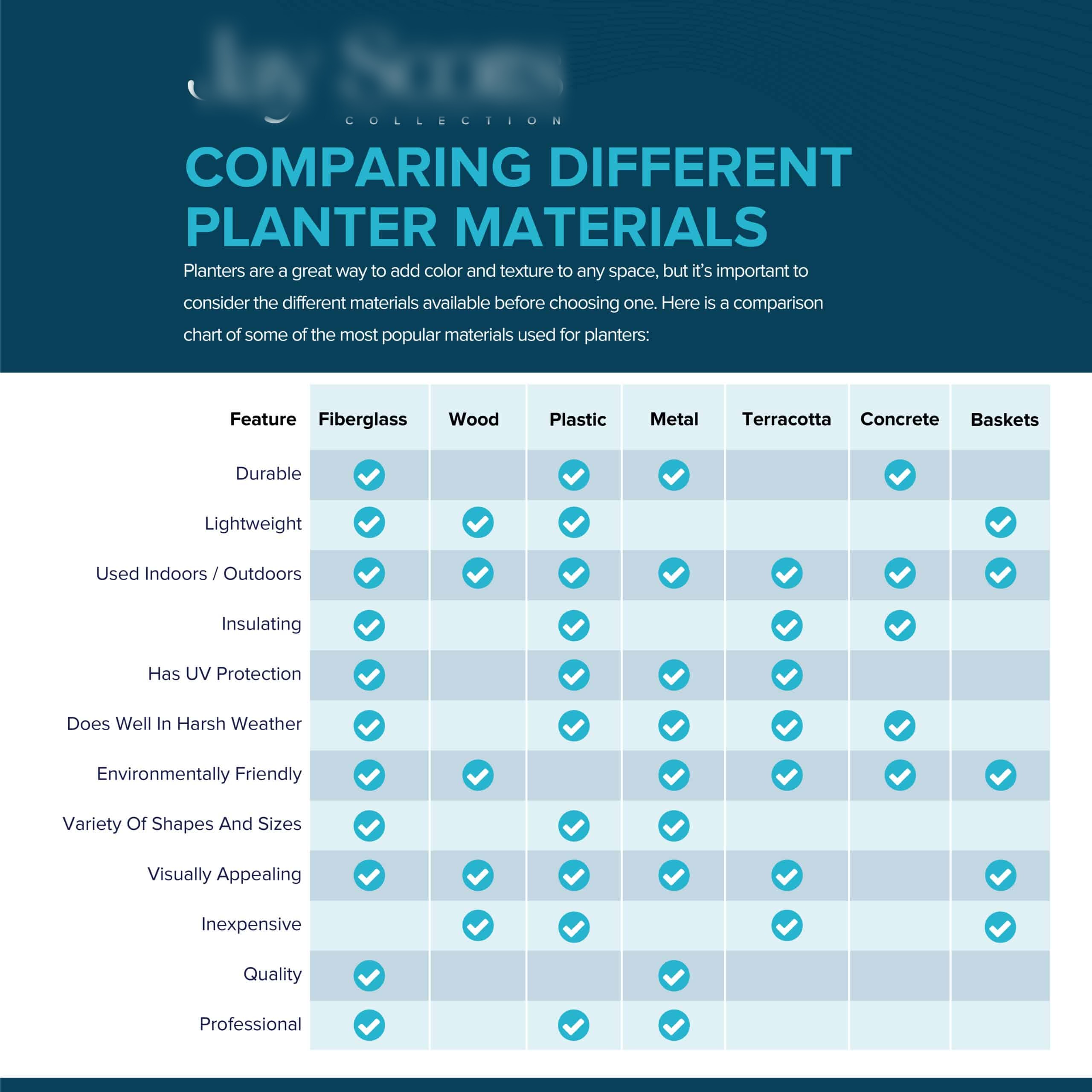
For the full comparison, read the pros and cons of popular planter materials.
How Flowerinta Fiberglass Planters Are Made
Flowerinta fiberglass planters are manufactured in Vietnam by Creative Design Manufacturing (CDM), our manufacturing factory.
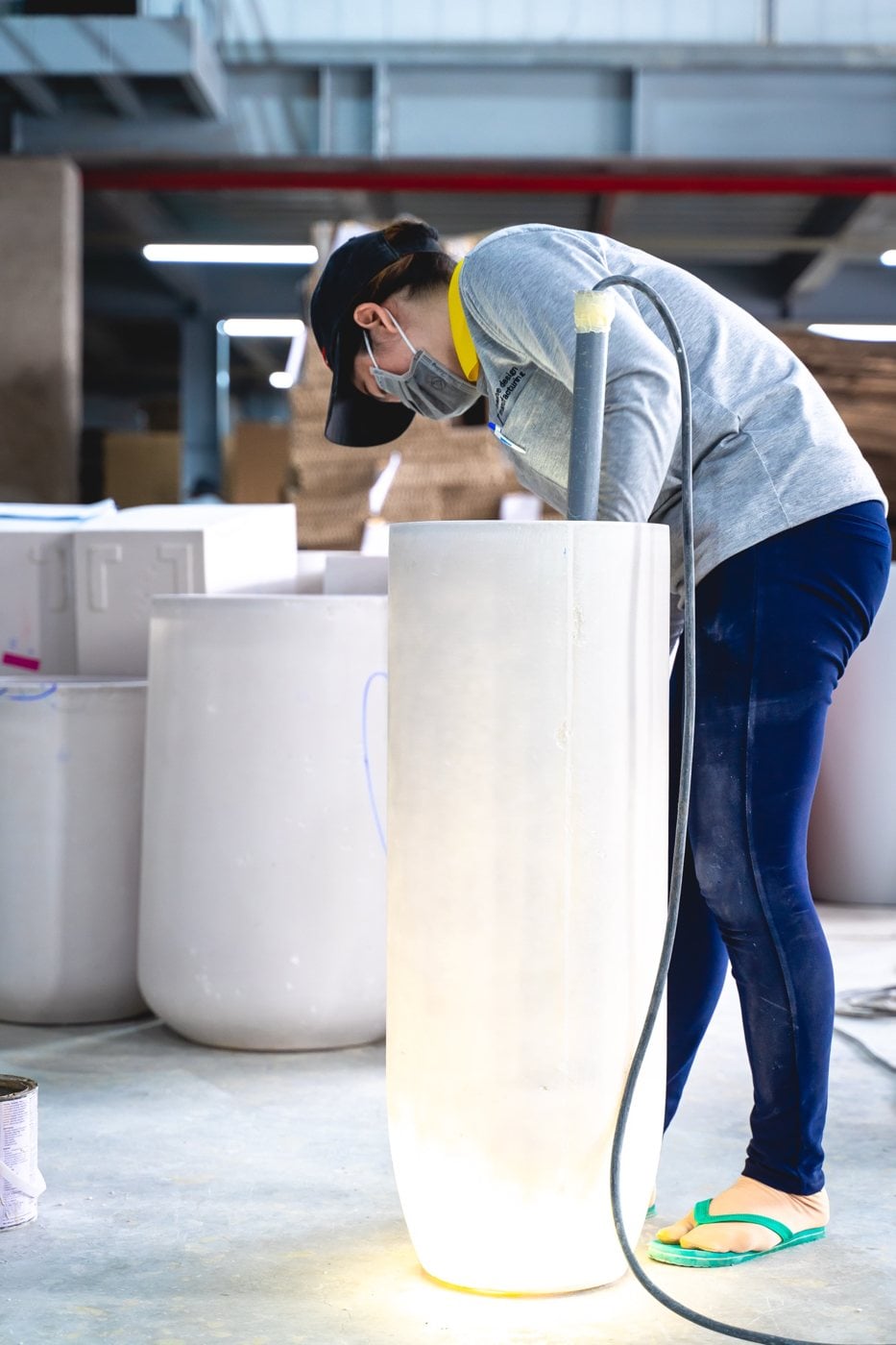
Our planters are made using a hand-layup process with layers of fiberglass reinforcement and polyester resin. Additional fiberglass reinforcement is used where needed for structural strength. After manufacturing, the planters receive automotive-grade painted finishes.
This manufacturing and finishing process supports our range of commercial fiberglass planters, available in different shapes, sizes and finishes.
- Mold. Each planter starts with a custom mold in the exact size, shape and dimensions of the finished product.
- Glass sheets. Fiberglass sheets are cut, shaped and laid into and around the mold.
- Resin coats. High-quality polyester resin is applied in several coats, the number set by the planter’s size and shape.
- Hand finishing. Once the final coat cures, each planter is trimmed, sanded smooth and finished by hand.
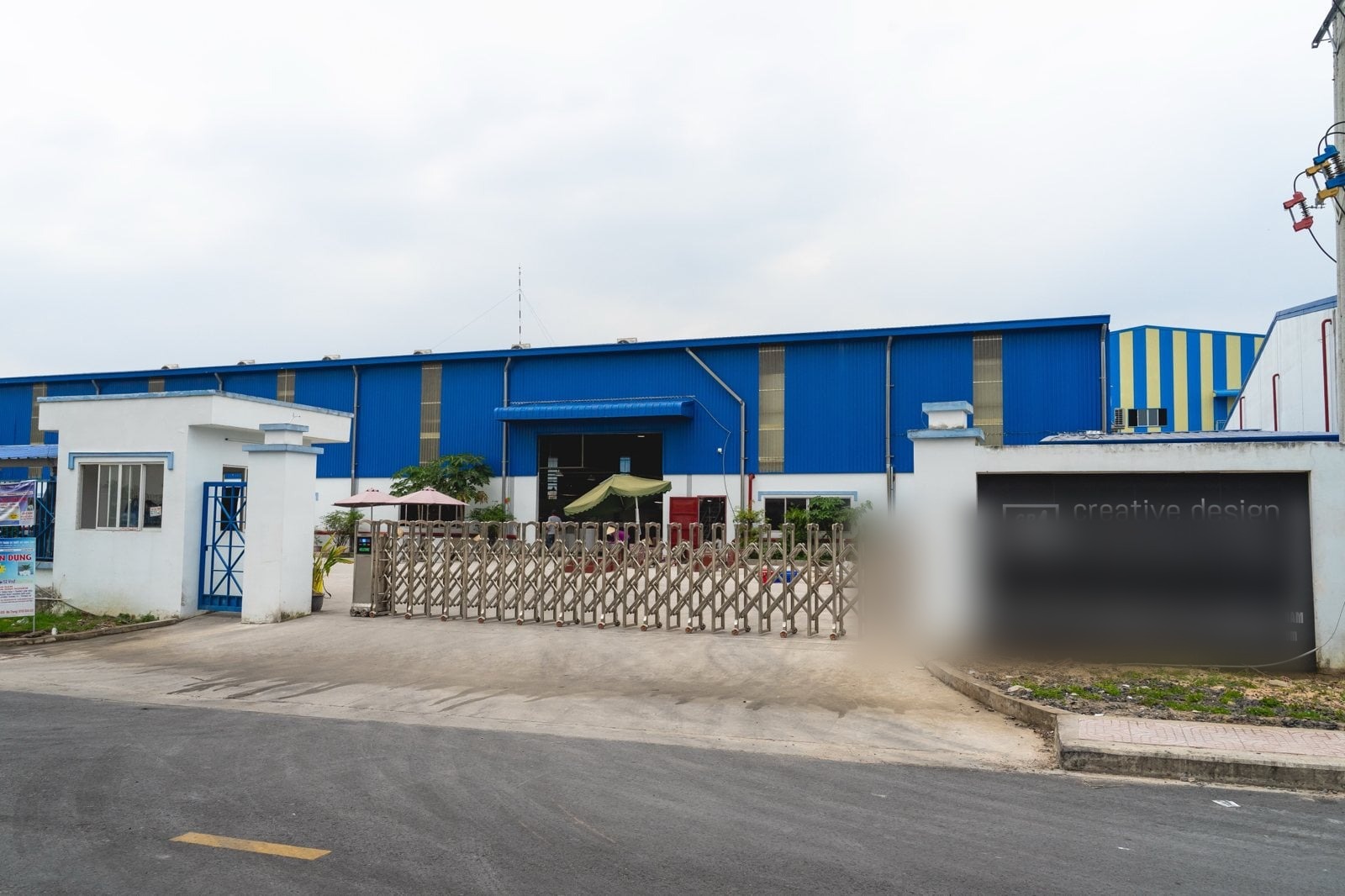
Our planters are made at our factory, Creative Design Manufacturing, in Binh Duong, Vietnam. See our factory in detail.
When Fiberglass Needs Extra Planning
While fiberglass is advantageous for its lightweight nature, installations in wind-exposed areas like rooftops and plazas require extra planning. Once filled, soil and water make up most of a planter’s weight, so stability depends more on shape and setup than on the shell. Choose a wide base for tall plants. Add ballast, such as gravel or sand under the soil, or anchor the planter to the deck or slab. On rooftops, confirm ballast loads and any anchors through the waterproofing with the structural engineer and roofing contractor.
Specifying Fiberglass Planters: Next Steps
Need to see fiberglass on a real site? Browse our commercial planter projects across rooftops, offices, and commercial spaces.
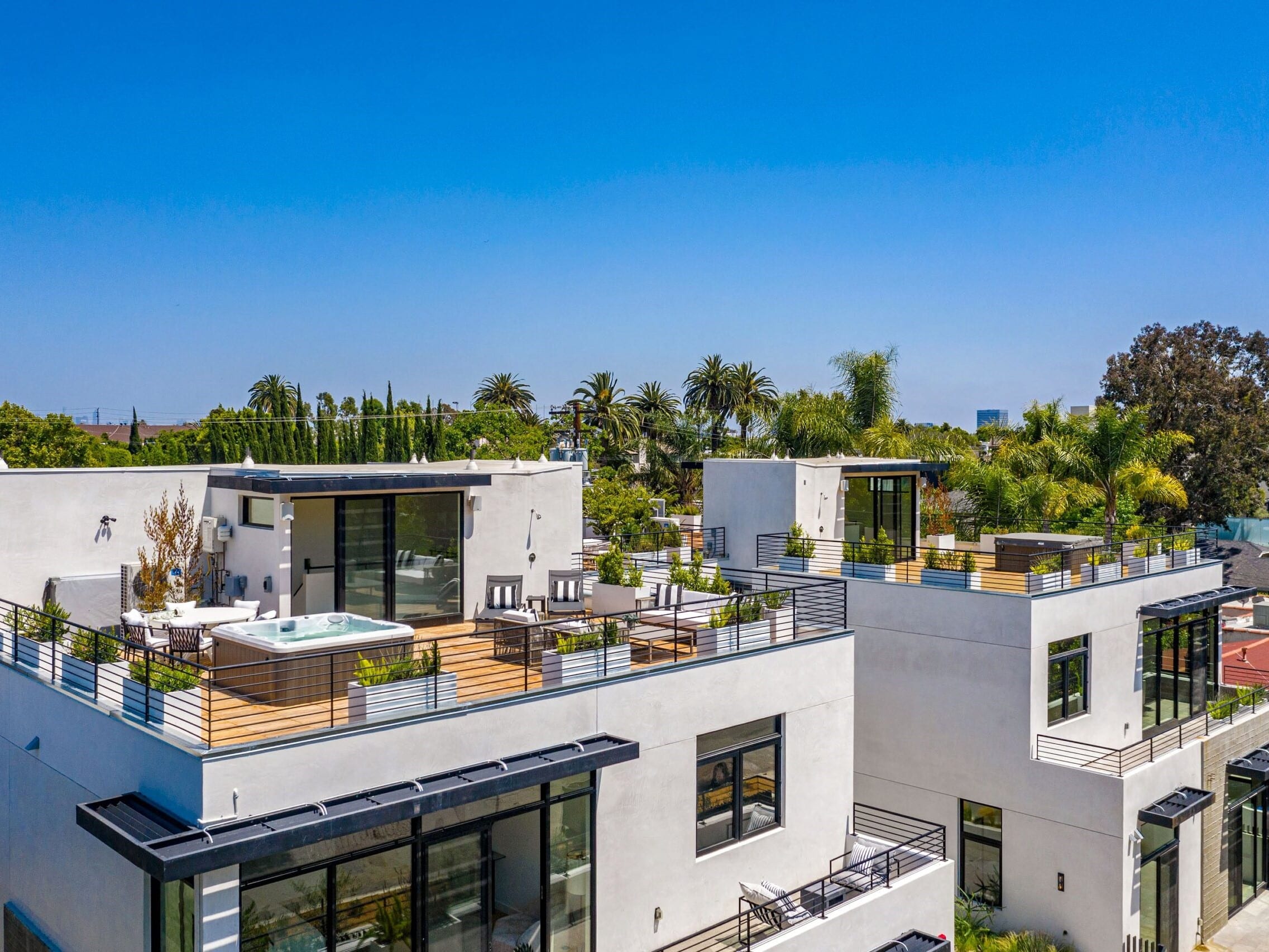
Zola Properties – 812 Huntley, Hollywood
The brief was survival first: planters and plants that hold up under harsh California sun and heat, where common houseplants and consumer pots simply fail.
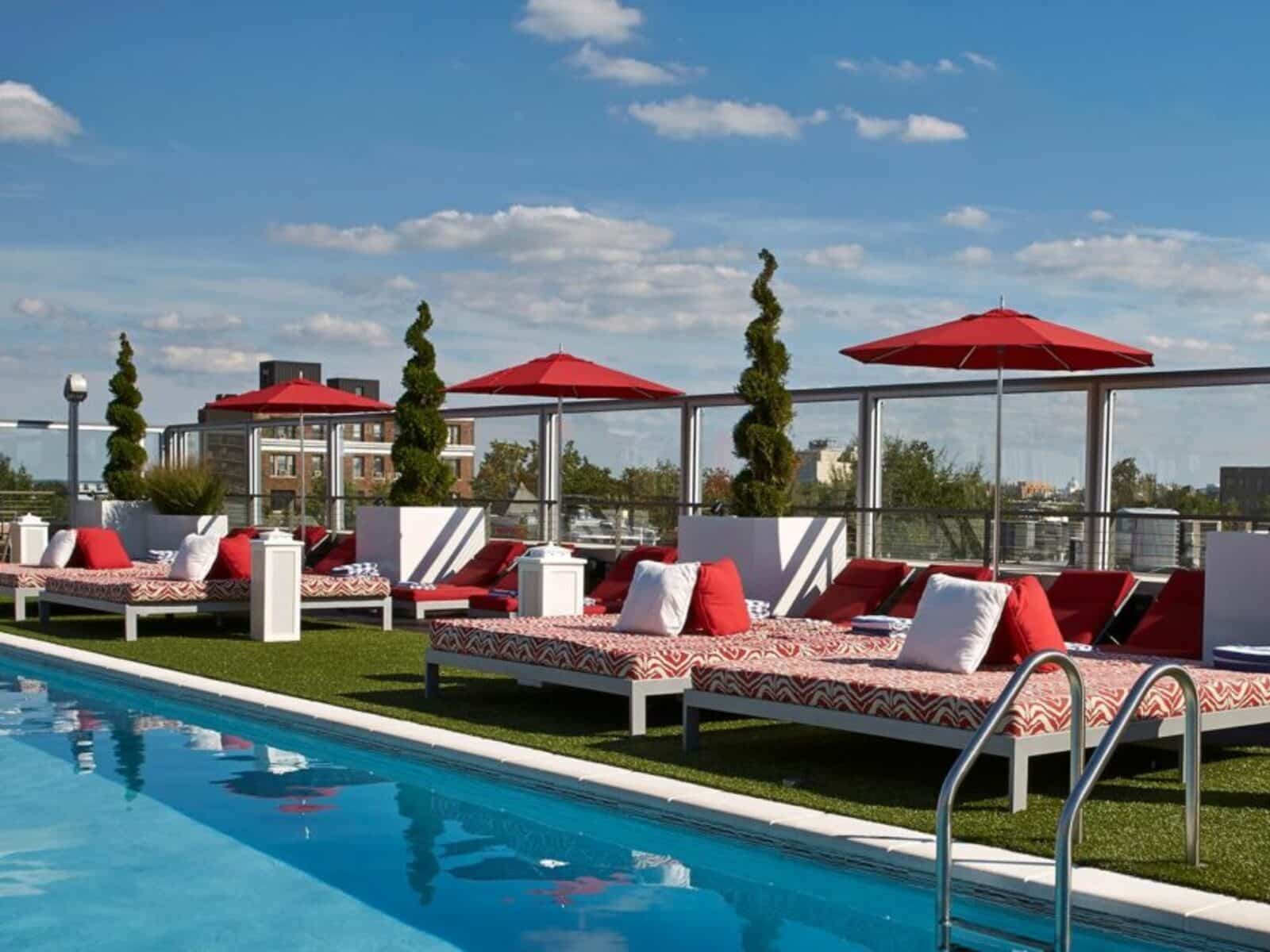
Penthouse Pool Club Washington
At the highest point of the building the pool deck took the full force of wind and weather, ringed by hard concrete. Planting softened the surfaces and made an exposed roof feel like a room.
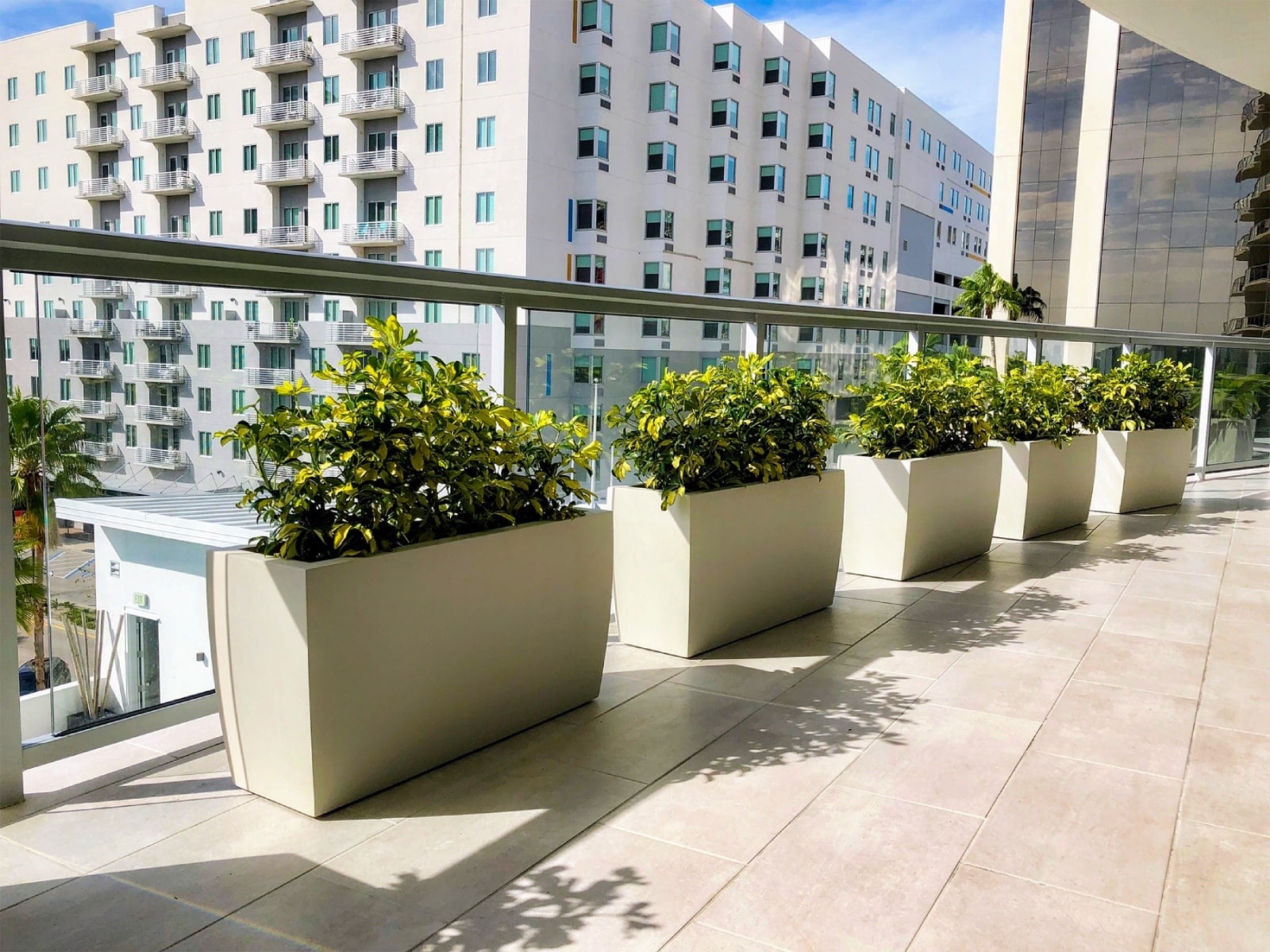
Plant Parents
The client needed planters that complemented the office interior, kept the plants healthy, and never became a nuisance or a safety hazard in circulation space.
Ready to Price Your Project?
Send us your planter schedule with models, sizes, finishes, quantities, and the delivery zip code, and we’ll prepare project pricing and lead times. Get project pricing
FAQs
Finished fiberglass is an inert, non-porous composite that will not leach harmful chemicals into soil matrix or groundwater. However, their suitability for edible plants or applications with specific material-safety requirements should be confirmed with Flowerinta before use.
With basic care, fiberglass planters last for many years indoors and outdoors. Their non-porous resin composite prevents rot, rust, and freeze-thaw cracking, while UV-inhibited topcoats protect against sun degradation and fading.
Each planter is laid up by hand in a custom mold, coated in several layers of resin, then trimmed, sanded and painted to order. That labor costs more than molded plastic, but it buys a planter that lasts longer and costs less to ship per unit.
Our commercial fiberglass planters are scuffed with fine-grit sandpaper, coated with an automotive-grade primer, and finished with UV-inhibited polyurethane paint to ensure long-term adhesion and prevent sun fading. For repainting on site, contact our team for finish guidance. See colors and finishes.
Unlike terracotta or concrete, fiberglass can be repaired and refinished. Small chips and scratches can be patched, sanded and repainted on site, without returning the planter to the factory. Our fiberglass planter maintenance guide covers the steps.